Humans cannot exist in a meaningless void
And science confirms this.
In 1944, psychologists Fritz Heider and Marianne Simmel showed people a short animation of geometric shapes — a big triangle, a small triangle, and a circle — moving around inside a white rectangle.
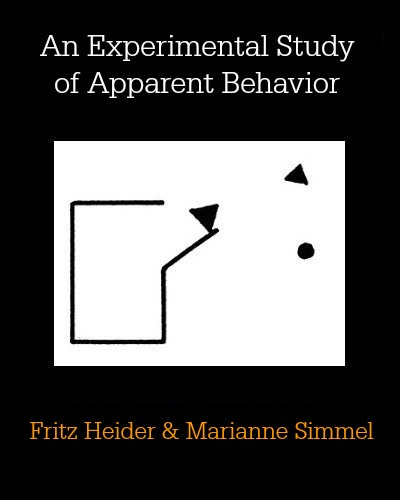
No faces, no voices, no context. No music even.
Yet, nearly every participant gave meaning to these shapes-
the big triangle was a “bully,”
the small triangle was “brave,”
the circle was “scared.”
People saw jealousy, heroism, romance… in triangles and circles!
The study has been replicated many times over the last 80 years with the same results each time.
This is our brain’s meaning-making wiring. Even when there is nothing meaningful to see, we can’t help ourselves; we are compelled to construct it.
This is not new. Humans have been making meaning since the beginning of civilisation
The more we think about this, the more we have to agree that our first instinct, across every civilisation, has been to use the crutch of ‘meaning’ to navigate a big, scary, unpredictable world.
Every civilisation personified the unforgiving forces of thunder, turbulent river waters, the intensity of the sun, and lightning bolts into Gods and Goddesses.
An angry Poseidon can sink entire cities with a strike of this trident.
Disturb Shiva when he is meditating and his third eye will turn you to ash.
At first, this constructed meaning was fear-based. So, if we pleased the Gods, they might spare us their wrath.
Over time, meaning became a commercial lubricant. We decided to agree that –
1 goat was equal to 5 hens.
Even that an eye was the right amount of payment for an eye.
When both sides of an exchange walk away feeling better off, that’s a double thank-you moment. The farmer says thank you for buying my goat. You say thank you for buying my hens. Value flows in both directions, and both parties feel the richer for it.
We had stumbled upon the first of these moments
As we produced more stuff, our wants expanded. And our double-thank-you equations became complex, interconnected and prolonged.
If you were to zoom into a cross-section of this value chain of double-thank-yous, you might see something like this.
A farmer buys guava seeds and tills land subsidised by the government —> Taxpayers fund these subsidies —> Some guavas are processed into Zero Sugar Guava Probiotic Soda, the rest are transported all the way to the city. Both enter Blinkit’s dark stores.
Throughout the value chain, each person experiences a double-thank-you moment. No one feels they were f**ked over. The money for sure makes them feel better off, but they also enjoy intangibles that lubricate each transaction.
The processing plant buyer might have a slight bias for this farmer’s guavas because they belong to the same district. The farmer might also save the best guavas for him.
One transporter might get more orders because his garage is closest to the plant, so he can have trucks lined up within minutes.
The Zero Sugar Guava Probiotic Soda brand is new, but it has mounted a mega advertising campaign, which reassures consumers that they are not a fly-by-night operators.
Bias. Convenience. Trust. Money. = Intangibles + Tangibles = Meaning.
Everyone in the value chain is really trading in meaning.
Meaning falls across a spectrum from brand heavy (intangibles) to product heavy (tangibles)
Every decision rests upon a net value equation: tangible and intangible costs weighed against tangible and intangible benefits.
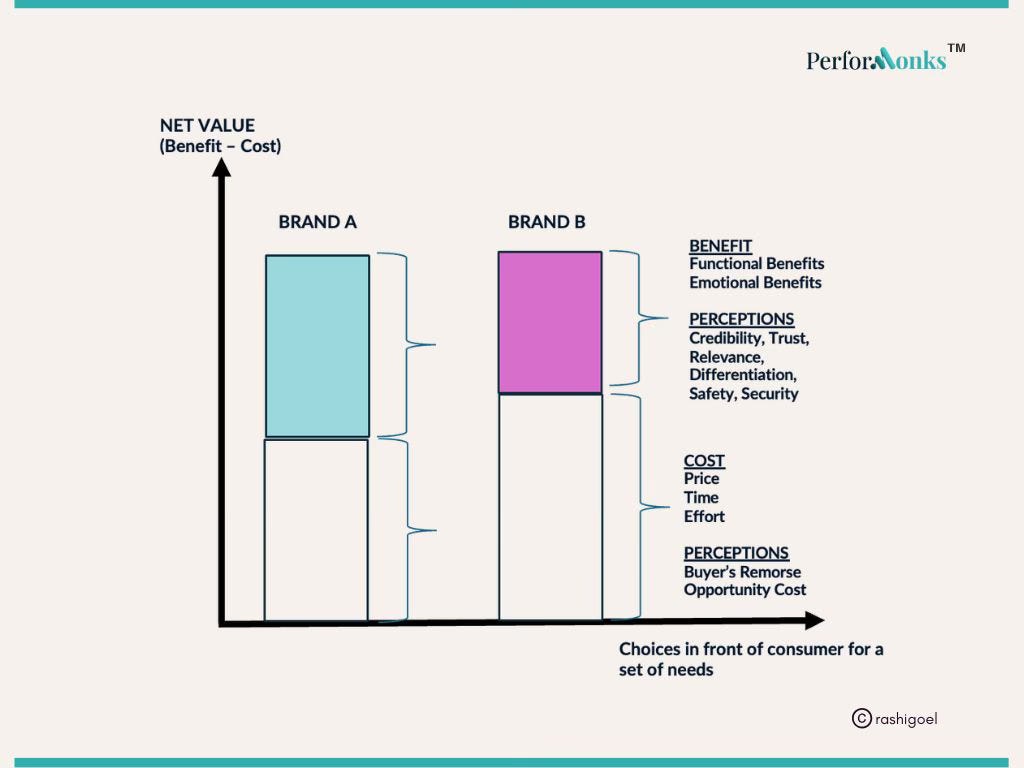
I like to think about this in terms of product+brand combinations. But these combinations change basis the category.
The spectrum runs from categories where the brand is the product (salt, bottled water, sugar) to categories where the product’s complexity gives it real weight alongside the brand (aeroplanes).
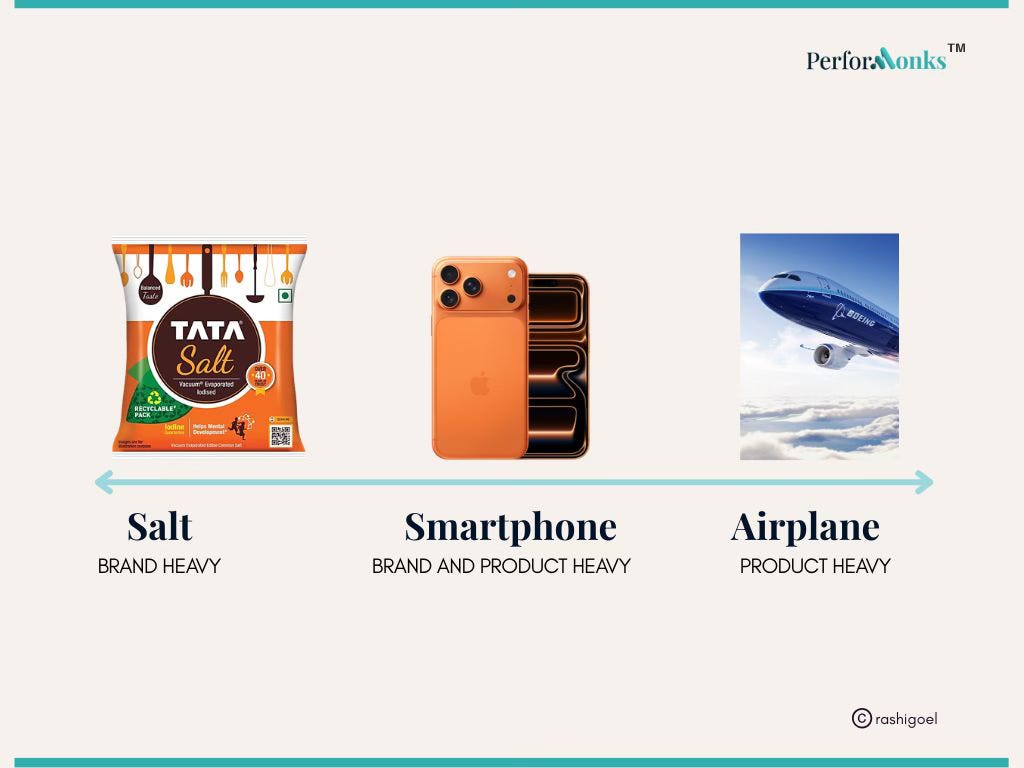
- Table salt is a commodity. Here, the brand does almost all the heavy lifting.
- On the other hand, a loose gear in an aeroplane can mean death for hundreds of passengers. Here, customers are buying the engineering. Brand trust does matter, but the product specs help close the sale.
- Somewhere in the middle, we have premium smartphones. The product is complex -the durability, the camera, the software ecosystem. But the brand – status, brag value and ecosystem loyalty – is equally important.
So, meaning is the atomic unit of strategy
The core role of strategy in consumer businesses is to craft double-thank-you moments by aligning the business’s unique meaning with the meaning a consumer seeks.
When we get this wrong, no amount of product quality or brand investment saves us.
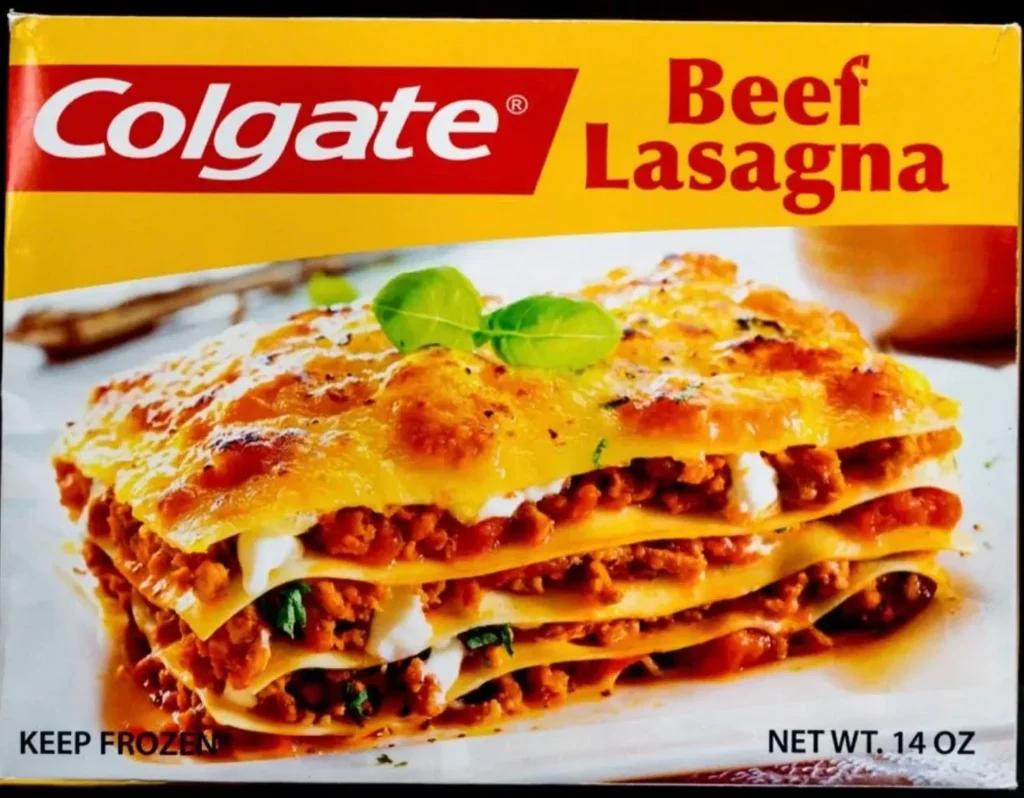
I was surprised to learn that in the 1960s, Colgate launched a line of frozen meals. The product was good. The brand was loved. But it failed instantly because the meaning was off.
Colgate had spent a century owning one very specific meaning – that Colgate gives us minty breath and clean teeth after we’ve finished eating. It’s not something savoury we enjoy as a meal!
How bizarre was this!
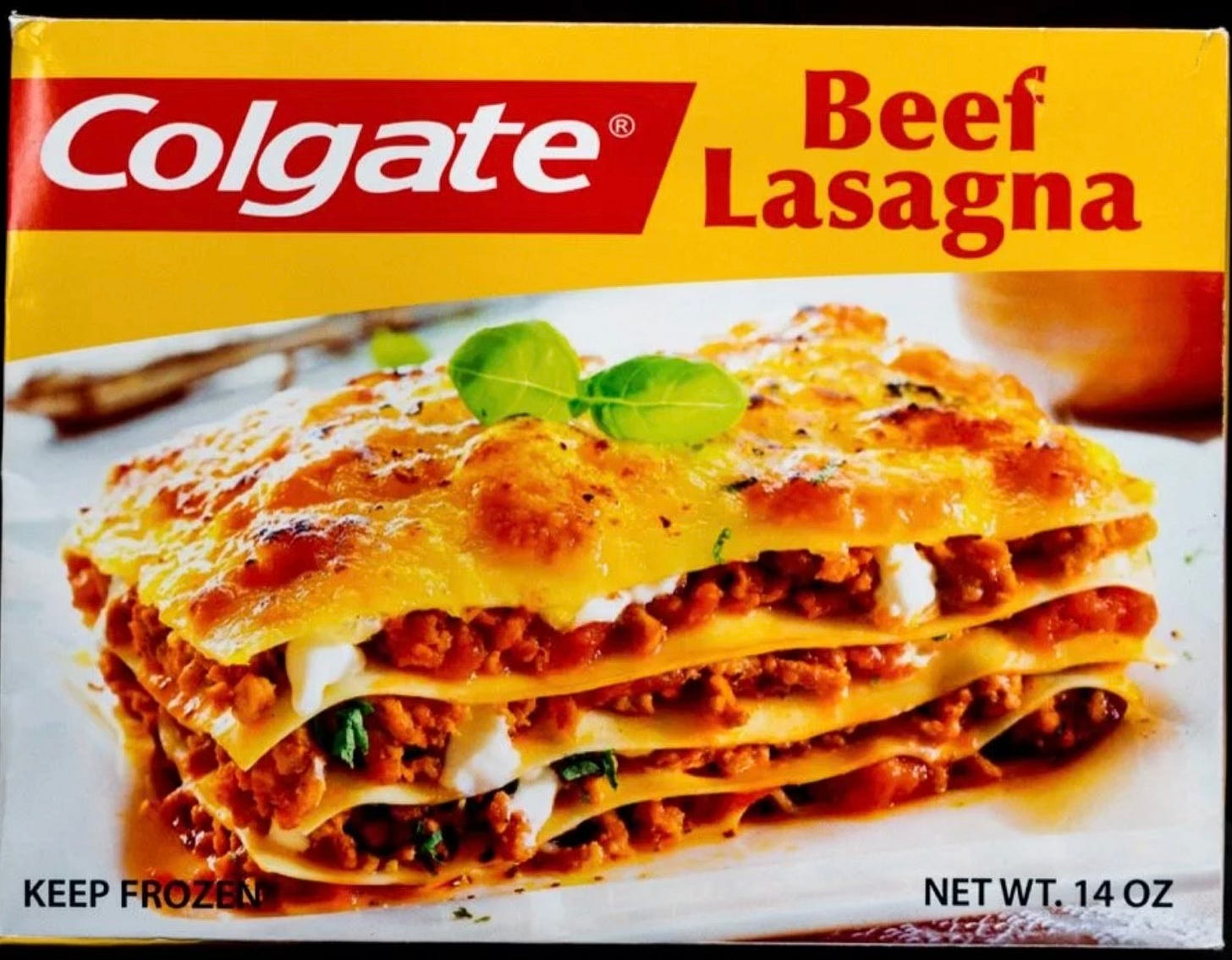
This is the anchor of my thesis: that strategy, at its core, is about strategic meaning.
Unless a business can make sense of how consumers are constructing and decoding meaning within their category, it will not be able to formulate a smart, coherent, winning strategy.
Categories change, products evolve, but Heider and Simmel’s findings remain. We are meaning-seeking creatures, and the businesses that understand this build meaning that people don’t want to live without and that competitors can’t copy.
That’s strategy.
More ways to connect
- Strategy Activator Workshops — done with you.
We have a proven approach that we tailor to your context.
At the end of the process, you will have a strategy blueprint for growth. The approach has received great feedback from Harpic, Tata Salt and Tata Sampann. Click here to share your interest and I will get back to you.
- DIY Strategy Products
I am building self-serve products you can use to develop your growth strategy. Join the early list for first access.